How to make your peatland restoration project market-ready? Key takeaways from our webinar
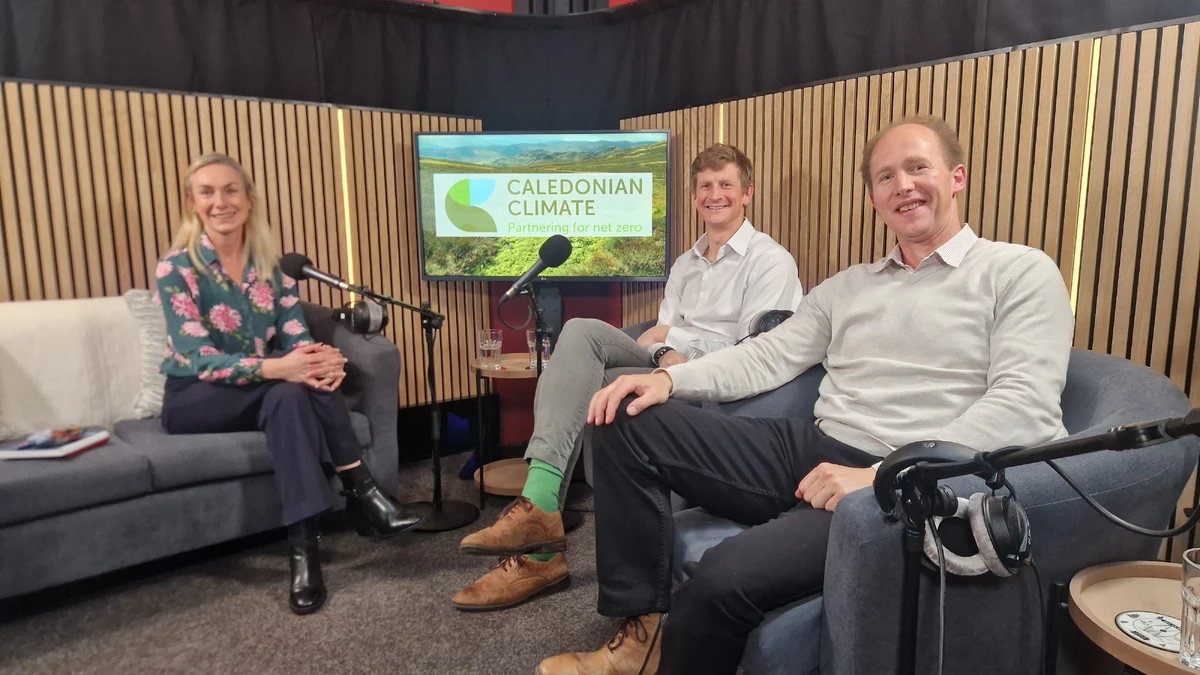
Our recent webinar ‘How to make your peatland restoration market-ready’ explored the realities of the carbon and nature market, what carbon buyers are looking for from peatland restoration projects, and how landowners can maximise trust and integrity in their projects.
Led by Senior Development Finance Specialist, Gail Hurley, and with panellists Freddie Ingleby, Managing Director of Caledonian Climate; carbon credit buyer, Jacob Bourgeois, Head of Carbon Strategies & Innovation at Volkswagen ClimatePartner; and James Robb, owner of Carroglen Farm, the conversation was a fascinating deep dive into what landowners of peatland projects can do to appeal to investors.
Let’s look at what was discussed and our key takeaways from the event.
What is the state of the carbon market today?
The carbon market continues to evolve rapidly, with shifting priorities creating challenges for the few buyers looking to invest in credible, trustworthy projects. In the absence of a rinse and repeat legal framework, buyers are being asked to set their own measures for project integrity and quality, which can create an uneven playing field.
That being said, there are huge opportunities and optimism to be had here in the UK, with real, tangible projects being delivered right now. Policy and standards are being advanced, with the likes of DEFRA and Scottish Government exploring the development of natural capital market frameworks alongside catalysing demand signals, which are paving the way forward for the sector.
What are carbon credit buyers looking for from nature-based projects?
For buyers like Volkswagen ClimatePartner, it’s crucial that there is a sound basis to invest. Carbon buyers today need to feel confident in the integrity, impact and value of the nature-based projects they choose to support.
This assessment can be broken down into three key pillars:
Reputational screening: Reviewing the history of the project developer and landholder, and the wider geographical context, including environmental legislation and challenges to investing in the area.
Project viability: Judging whether the project is a good investment.
-
- Will the project deliver what it is promising?
- Is the methodology sound?
- Is there a long-term MRV?
- Are there other uplift opportunities?
- Does it meet the relevant standards and legislation?
Compliance: Looking into the track record of the person behind the project, and whether they align with the buyer’s long-term objectives and values.
How can landowners make their peatland restoration projects appealing to investors?
While the Peatland Code is the benchmark for peatland restoration projects, and goes some way in indicating that landowners are committed to high-integrity work, this alone is not enough to differentiate themselves from other projects on the market.
Landowners today need to demonstrate that they deliver far more than the bare minimum to be able to instil confidence in major carbon buyers that their project is of the highest quality and integrity. This requires an ongoing commitment to monitoring, to undertaking necessary maintenance work, and to ensuring it delivers on the predicted outcomes. Importantly, they need the evidence to back this up too.
It’s crucial that the Peatland Code is not seen as a tick box exercise, or piece of paperwork, but rather a promise to safeguard and maintain the site. By collecting data and evidencing their commitment to long-term restoration, landowners are in a much better position to market their projects to leading buyers.
Why is monitoring and maintenance important for peatland restoration?
Peatland restoration is not a piece of work that you can complete and move on from, it requires ongoing attention and care, like any asset. This is where monitoring and maintenance come in.
Monitoring
Ongoing assessments of the site ensure it is kept in good condition and serve as a preventative measure by highlighting potential risk factors that could impact the quality and integrity of the project. Having this done by a competent authority is important.
Repair and Maintenance
Addressing potential problem areas, such as the condition of peat dams, hags and gully reprofiling, and the influence of external factors, including grazing animals and severe weather events.
By committing to long-term monitoring and maintenance, landholders can prevent the project from falling into disrepair and subsequently failing to deliver on what was promised. This approach not only limits high costs associated with having to make significant site corrections, but also enhances project value and demonstrates a genuine commitment on the part of the landholder to nurture the project, thereby signalling trust, credibility and quality to carbon buyers.
How can landowners futureproof their peatland restoration projects?
Going beyond the minimum standard is vital to ensuring the longevity and marketability of peatland projects. This includes considering (and reporting on) the co-benefits of healthy peatlands on the wider ecosystem, such as flood mitigation, enhanced biodiversity, drought prevention and improved water quality.
While carbon emissions reduction, and ultimately sequestration, remain of critical importance to achieving net-zero targets, as buyer appetite shifts toward broader nature-related goals, the ability to evidence the wider positive impacts of peatland restoration is proving increasingly important to secure long-term interest from mission-aligned buyers. By producing credible, auditable data on the environmental or socio-economic impact of peatland restoration, landowners can prove the appeal directly to the specific interests of potential buyers to secure premium rates for their project. Be it water scarcity, habitat recovery or employment rates… peatlands can do it all.
A huge thank you to our brilliant host and panel, and our wonderful attendees who tuned in for the live event.
Whether you’re a landowner looking to get your peatland restoration project off the ground or a carbon buyer interested in a high-integrity peatland project, we can help! Get in touch with Caledonian Climate here.
For more information on this article, please contact:
Freddie Ingleby
Managing Director
+44 (0) 7840 998 944
freddie@caledonianclimate.com
About Caledonian Climate
Working responsibly with the custodians of Scotland’s beautiful countryside, Caledonian Climate is committed to tackling the twin crises of climate change and biodiversity loss.
To achieve this, we talk to forward-thinking businesses who want to fulfil their ambitions for carbon emission reductions through high-quality carbon credits with multiple co-benefits. We then partner them with landholders in the Scottish Highlands, maximising the ecological value and sustainability of their estates.
Building on our significant experience, and guided by a distinguished Advisory Board, Caledonian Climate is delivering the benchmark for long-term restoration of Scotland's degraded peatlands, locking away the carbon for good.
Our work also enhances biodiversity, improves water quality, boosts local economies and creates a compelling story for all of our partners to share.