Peatland has a PR problem
“I’m sorry, what?” is generally the response I receive when I tell people that I work for a peatland restoration consultancy. “What’s peat?”
Perhaps family and friends outside of the sustainability bubble can be forgiven, but this sentiment was repeated at the Blue Earth Summit when, as part of a panel discussing why nature remains so underfunded, Caledonian Climate CEO Freddie Ingleby asked the audience to raise their hands if they could confidently explain what peatland restoration is. Amongst the learned Blue Earth audience of climate leaders and changemakers, only a few hands went up.
The previous week, the Scottish Government published the 2026 Agricultural Census, and the results paint a worrying picture.
64% of those surveyed said lack of information was the biggest barrier to restoring areas of degraded peatland on their land. Almost a third said they didn’t even know whether they had any areas of degraded peat. There’s a clear gap in basic awareness and understanding, before landowners even get to the point of considering peatland recovery.
Peatland: The UK’s greatest natural asset
So, what is peatland I hear you ask? Peatlands are terrestrial ecosystems characterised by waterlogged, oxygen-poor conditions that promote the accumulation of partially decomposed organic matter, forming a distinctive peat soil.
3 million hectares – around 12% of the UK - is peatland. Our small island is internationally significant for a globally rare landscape. The chances are, you’ve walked on peat.
From the Lake District to the sweeping North York Moors, Kinder Scout in the Peak District and Snowdonia in Wales, Dartmoor, Exmoor, the New Forest and even the Norfolk Broads. Many of the UK’s most iconic and most visited landscapes contain peatland, and yet no one seems to know anything about it.
We visit these landscapes for the views, the walks and the fresh air, but how many of us look beyond the car park and cream teas to consider just how important peatland is to the places we love?
Peatlands are remarkable natural resources, benefiting biodiversity, hydrology and climate change. This reverses when peatland becomes degraded or damaged, of which 80% in the UK sadly are. Part of the problem is that the magic of peatland happens when it is undisturbed, quietly storing carbon and regulating water flow beneath our feet. You can’t see it. To the untrained eye, it can be difficult to tell a healthy bog from a degraded one, a natural watercourse from a drainage ditch.
This is in contrast to trees - the enduring symbol of sustainability - and their intuitive benefits. We see a tree: tall, green and leafy, and understand that it is alive and growing. We see a felled stump and recognise what has been lost. Planting a tree gives us something tangible to point to, with progress we can watch unfold over time.
The Peatland Awareness Problem
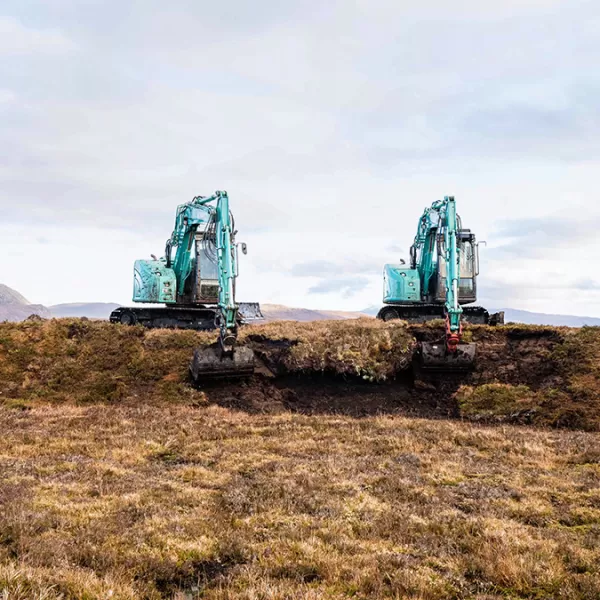
Peatland restoration is harder to communicate. Success often means changing how water moves through a landscape, blocking old drainage channels and allowing nature to recover. The result isn’t always dramatic or immediately visible, but that doesn’t make it any less important.
There’s also a market challenge. The Peatland Code is still a relatively new methodology, and the process of turning peatland restoration into verified peatland units takes time. Although businesses are increasingly thinking more long-term when it comes to sustainability strategies, that lag between investment and a verified outcome can be difficult to navigate in a world focused on annual targets and near-term results.
And while the wider benefits of peatland restoration are easy to appreciate in principle - healthier habitats, improved water quality and more resilient landscapes - they don’t always fit neatly into the metrics businesses use to make funding decisions. The value is real, but the frameworks to recognise and fund it are still catching up.
So where does that leave Caledonian Climate?
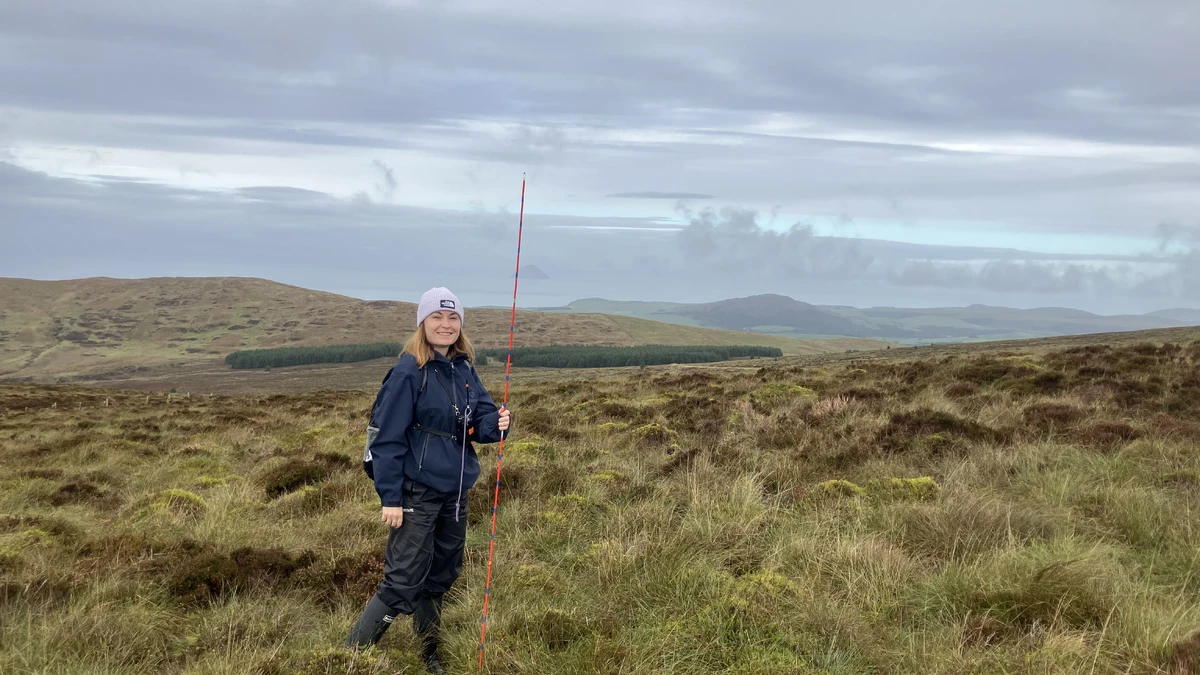
Our team are out on the hill in all weathers - rain lashing and wind blowing - having spent months working with landowners, contractors, local authorities and geospatial maps to figure out how to get a 9-tonne excavator through a ford and up to a site 3 miles from the nearest road. All without disturbing adders, water voles or nesting birds.
Why? Because we know what’s at stake. Peatland restoration is one of UK’s biggest assets and peatland maintenance helps to:
- Reduce emissions, restore nature and build more resilient landscapes;
- Regulate water flow and enhance water quality;
- Support wildlife and protect a natural asset that has been thousands of years in the making;
- Mitigate against severe climate events, such as flooding, droughts and wildfire.
In order to unlock nature recovery at scale, our team must firstly deliver peatland restoration to the highest standards. Rigorous surveys, skilled contractors, quality checks and long-term monitoring are needed to give landowners and businesses confidence in the outcomes.
And secondly, we need to tackle the PR problem. We need more people to understand what we see out on the hill: the overlooked and under recognised climate solution that’s been right under our feet the whole time. We need to help businesses understand where peatland fits into their sustainability strategies, why it matters, and how they can play a meaningful role in its recovery.
Right now, that looks like a big hill to climb. I’ll grab my wellies!
Book a call with Charli here.
For more information on this article, please contact:
Freddie Ingleby
Managing Director
+44 (0) 7840 998 944
freddie@caledonianclimate.com
About Caledonian Climate
Working responsibly with the custodians of Scotland’s beautiful countryside, Caledonian Climate is committed to tackling the twin crises of climate change and biodiversity loss.
To achieve this, we talk to forward-thinking businesses who want to fulfil their ambitions for carbon emission reductions through high-quality carbon credits with multiple co-benefits. We then partner them with landholders in the Scottish Highlands, maximising the ecological value and sustainability of their estates.
Building on our significant experience, and guided by a distinguished Advisory Board, Caledonian Climate is delivering the benchmark for long-term restoration of Scotland's degraded peatlands, locking away the carbon for good.
Our work also enhances biodiversity, improves water quality, boosts local economies and creates a compelling story for all of our partners to share.